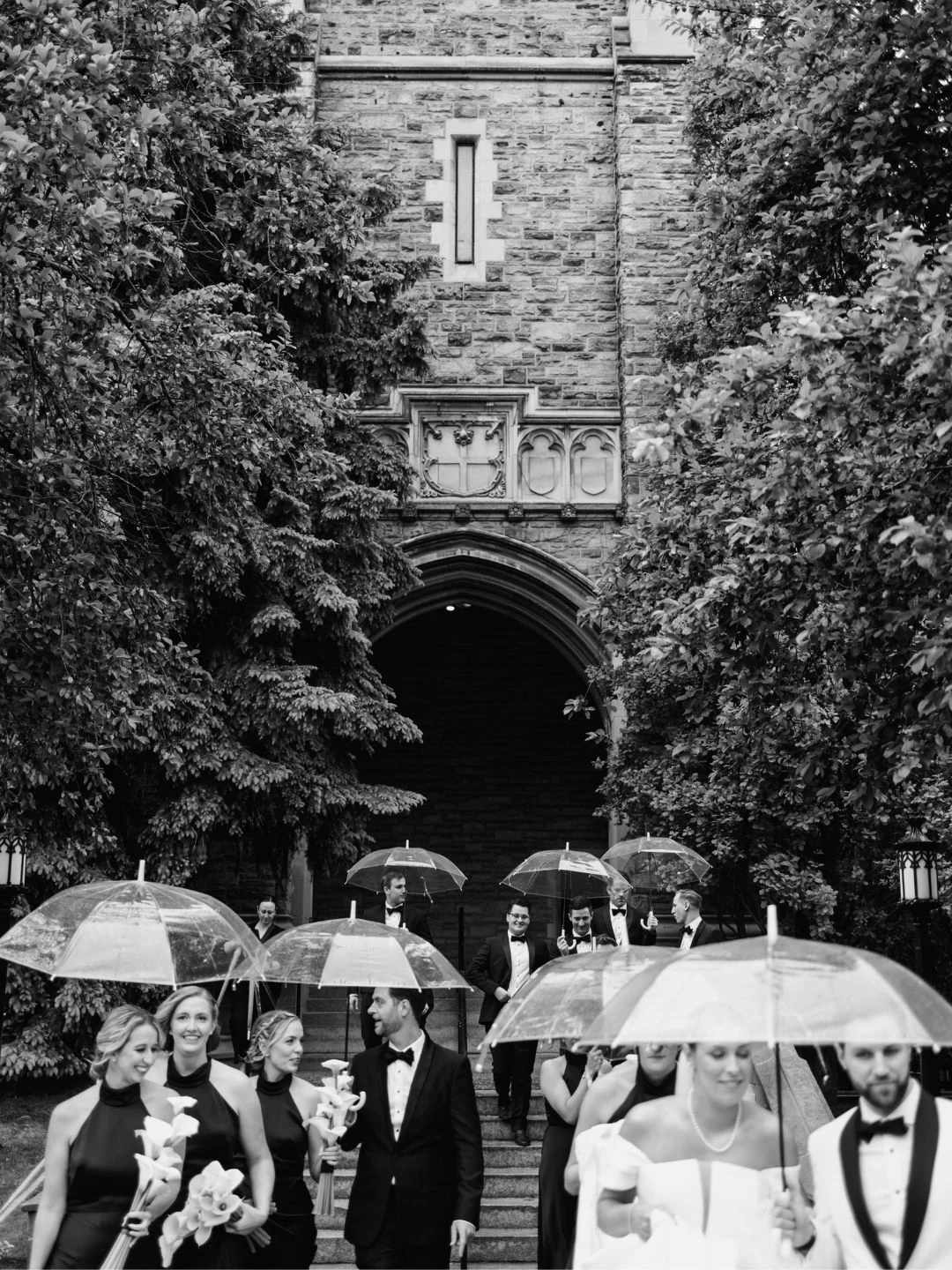
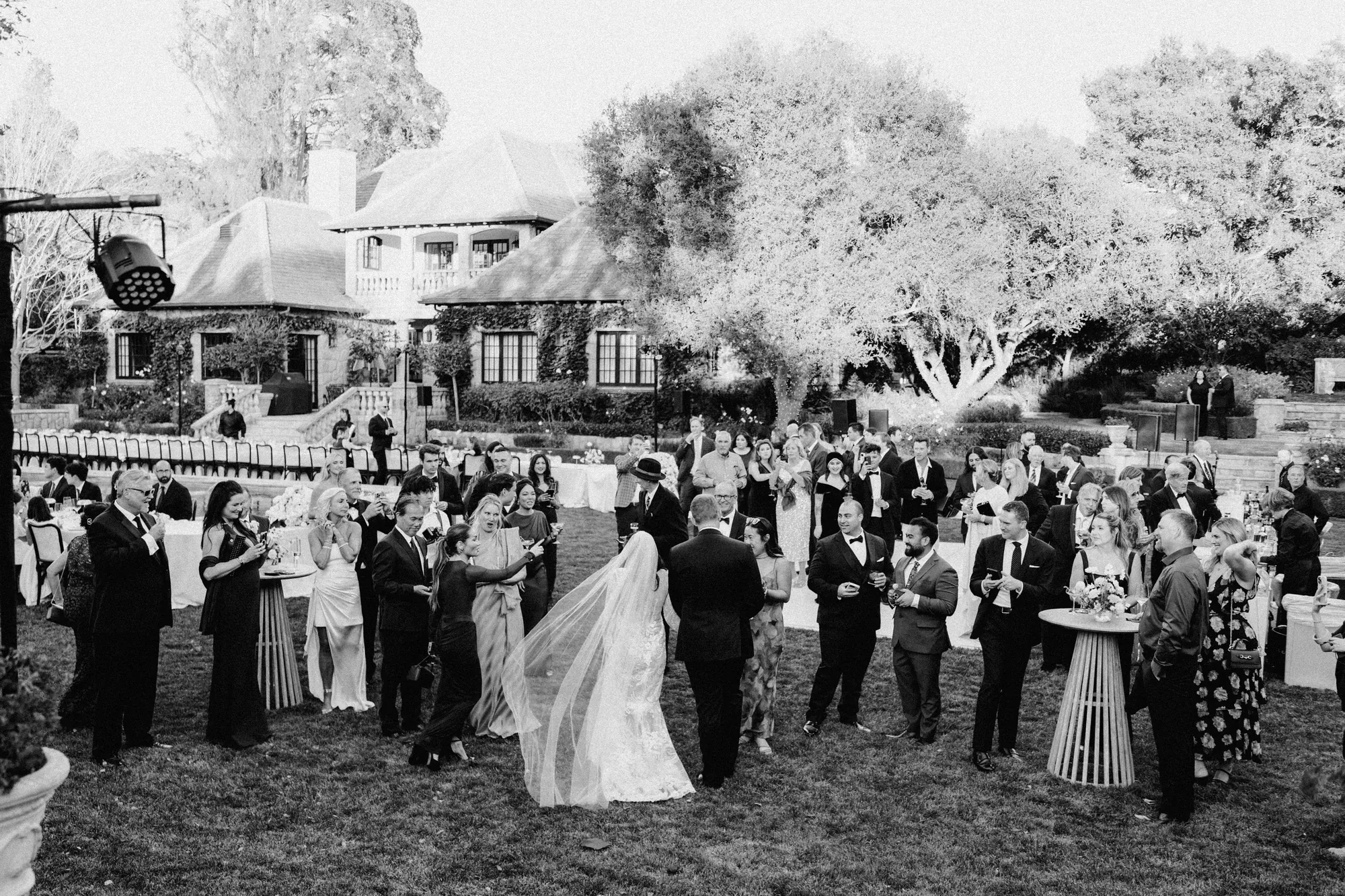
Nobody gets engaged dreaming about a spreadsheet. You dream about the dress, the vows, the first dance, the people you love all in one room. The timeline feels like admin, something to hand off and forget about.
But after hundreds of weddings, we can tell you something most couples only learn on the day itself: your timeline quietly decides how your wedding feels. It decides whether you get ten unhurried minutes alone together or spend the afternoon being shuffled from one spot to the next. It decides whether you walk into golden hour or watch it disappear from the cocktail hour line. And because we photograph what is really happening, it shows up in every frame. Rushed couples look rushed. Relaxed couples look relaxed.
At MANGO Studios, we’ve stood at the edge of beautifully paced days and days that ran forty minutes behind before the ceremony even started. Here are the wedding timeline mistakes we see most often, and what those weddings taught us about building a day that gives you room to actually be there.
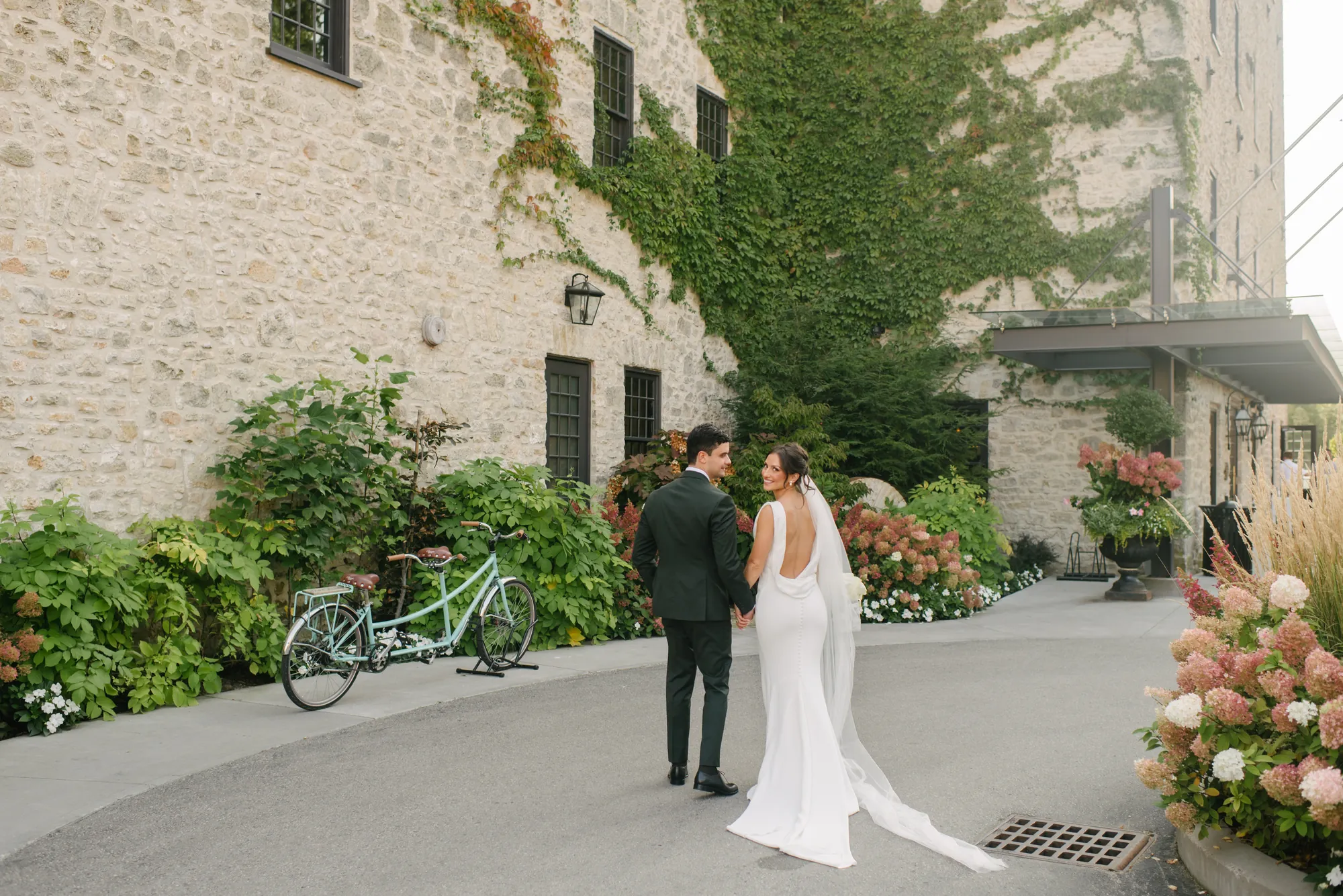
1. Leave Time for the Two of You
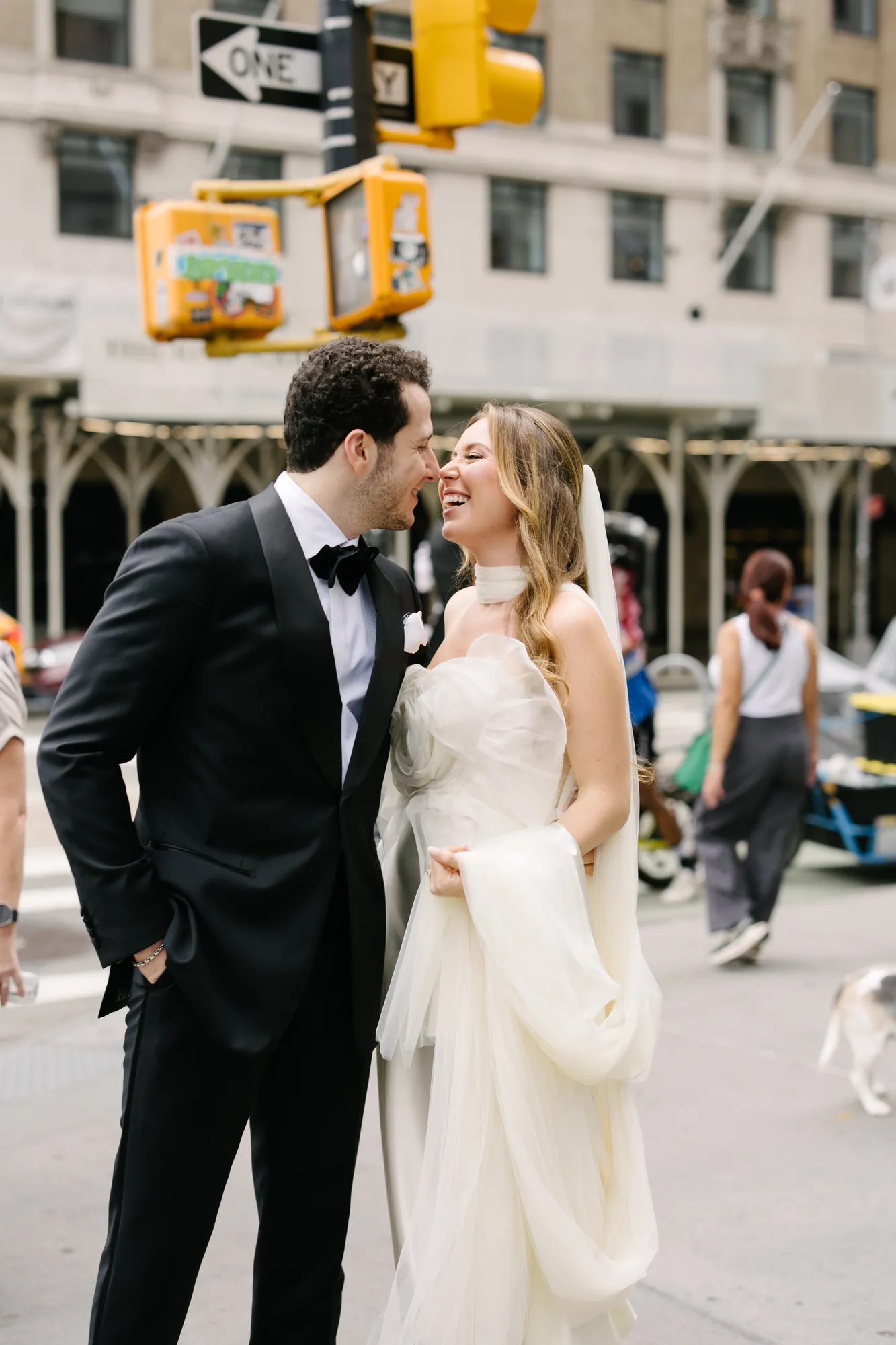
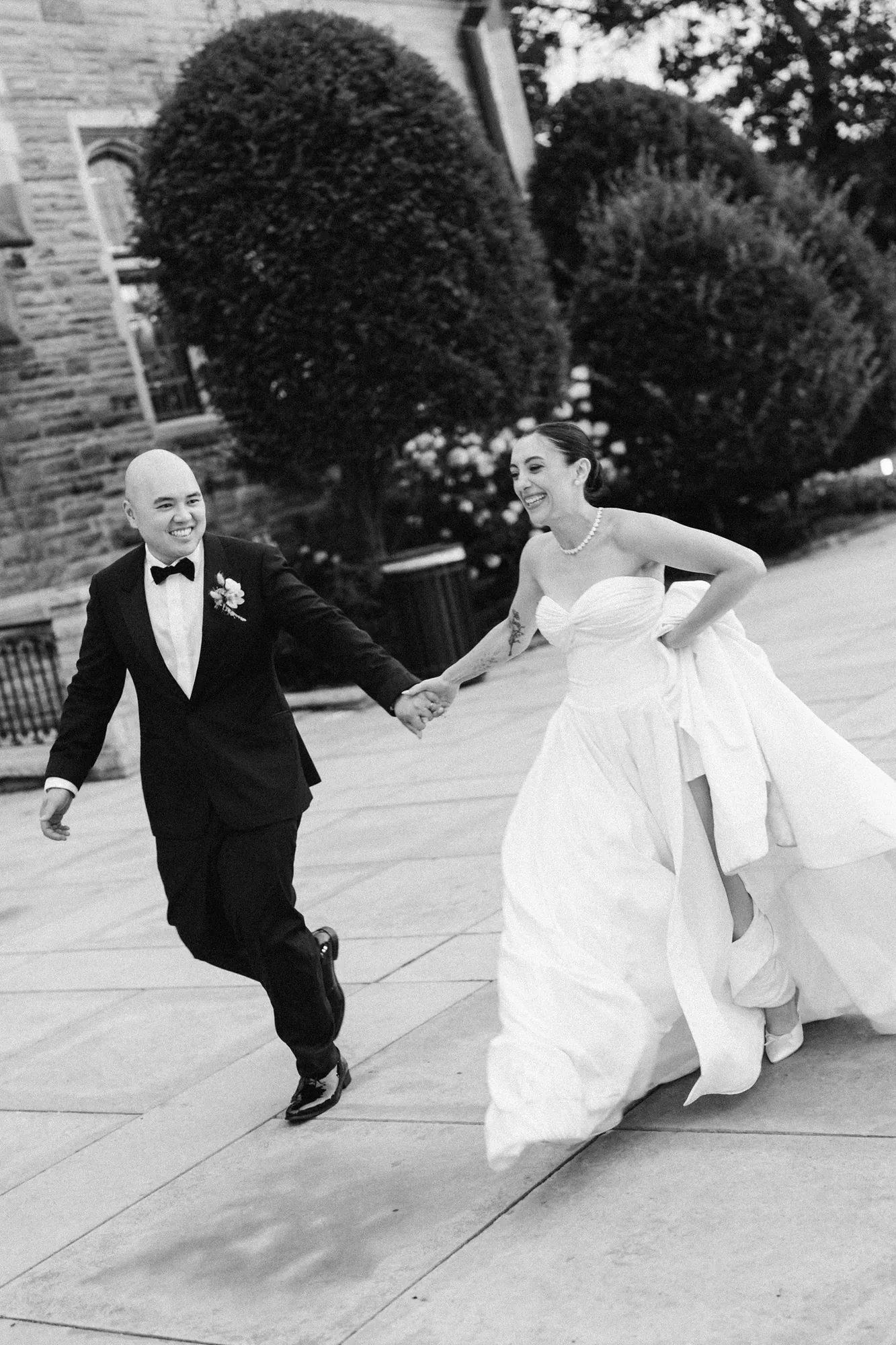
Some of our favourite images from any wedding happen when it’s just the two of you, away from the crowd. No guests waving you over, no aunts asking where the bathroom is, no one holding a phone up between you. Just a quiet hallway, a garden path, or a city sidewalk and the person you just married.
We usually recommend carving out 45 to 60 minutes for couple portraits, but you don’t have to do it all in one sitting. Breaking it into quick 20-minute intervals throughout the day (like during a first look, right after the ceremony, and at sunset) keeps you from feeling pulled away from your guests for too long.
These small buffers give us the space to prompt rather than pose, to let you walk, talk, laugh, and settle into each other until you forget the camera is there. That is where the honest, unscripted frames come from; the ones you’ll still be staring at decades from now.
More than that, it gives you something that has nothing to do with photography: a chance to enjoy being married. So many couples tell us afterward that those few quick breaks were the only moments all day they got to breathe together. Protect those pockets of time. Write them into your timeline like they matter, because they do.
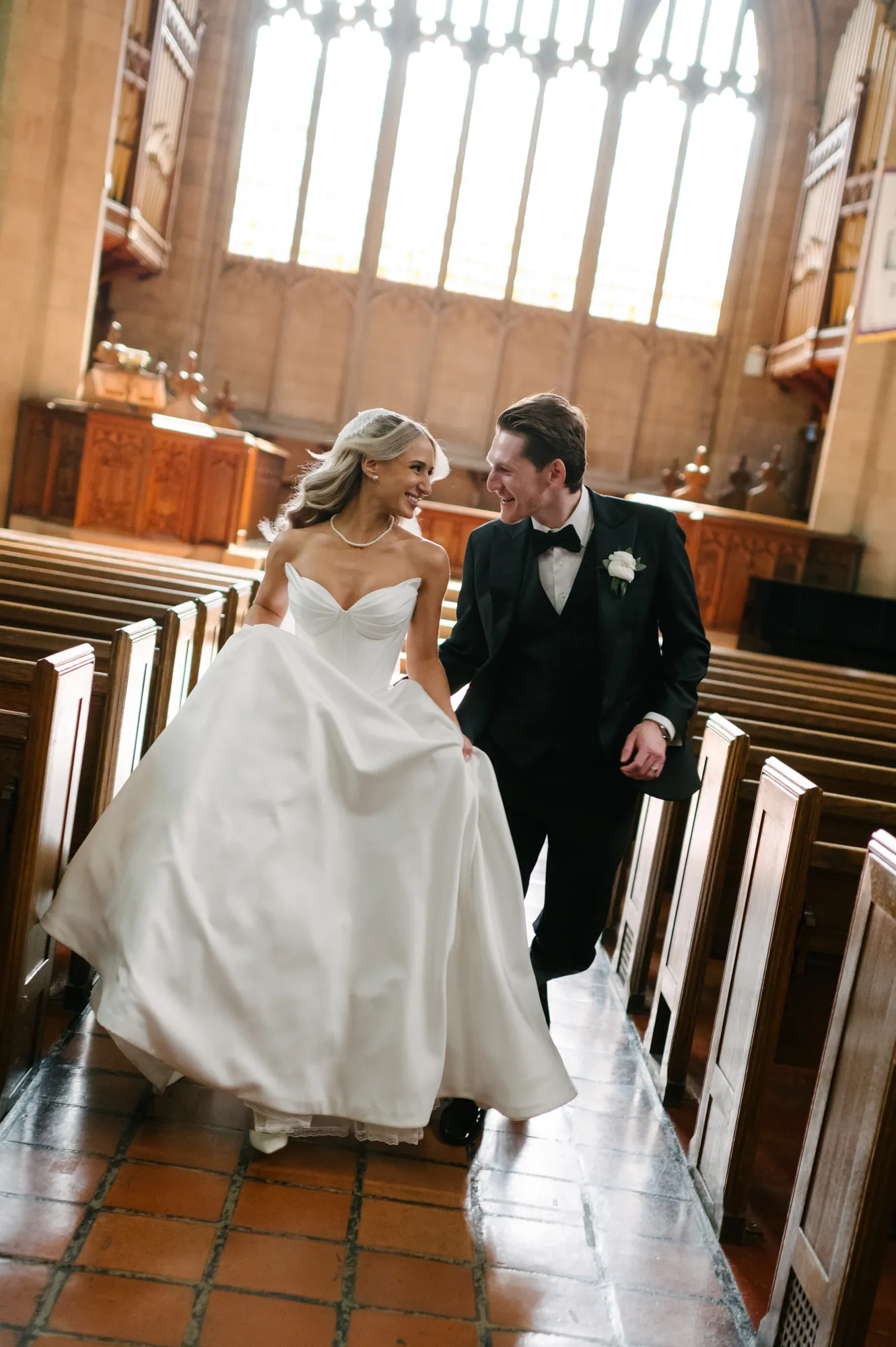
2. Buffer Time Is Your Best Friend
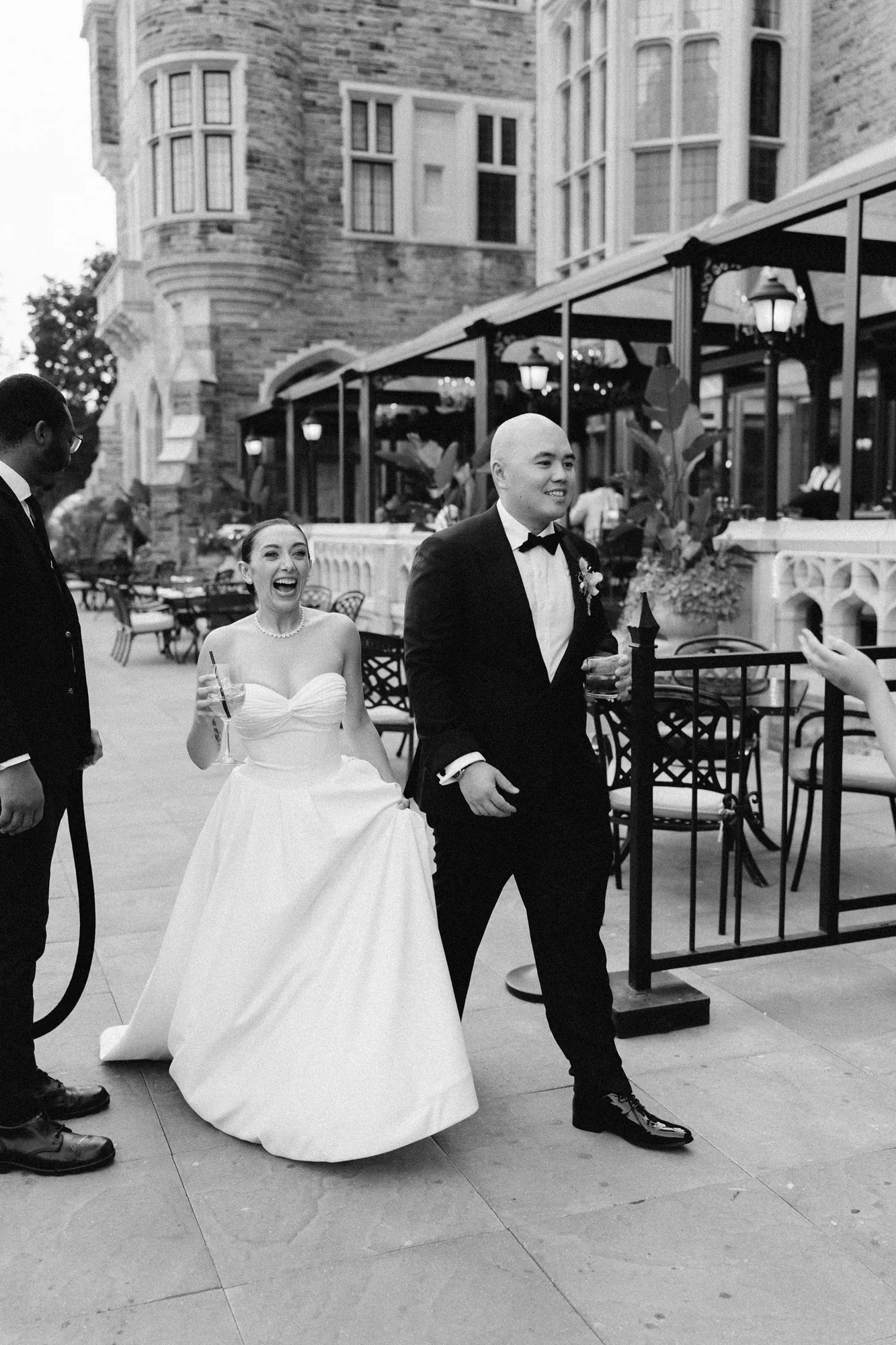
Skipping buffer time is one of the most common wedding timeline mistakes we see, because everything takes longer than planned. Hair runs over. The boutonnière goes missing. A grandparent needs a few extra minutes to get to the car. The limo driver takes the scenic route. None of it is a disaster on its own, but without breathing room, every small delay stacks on top of the next one.
We recommend adding 10 to 15 minutes of buffer between every major moment: getting ready to first look, first look to ceremony, ceremony to family photos, family photos to portraits. When the day runs smoothly, that buffer becomes bonus time for candid moments, a quiet drink together, or a few extra frames in beautiful light. When it doesn’t, the buffer absorbs the delay so nobody has to panic.
Buffers protect the mood, and the mood is what we’re photographing. A bride who’s being hurried out the door looks different from one who has time to hug her mom on the way out. You can see that difference in the photos, every single time.
3. Plan Golden Hour, Don’t Squeeze It In
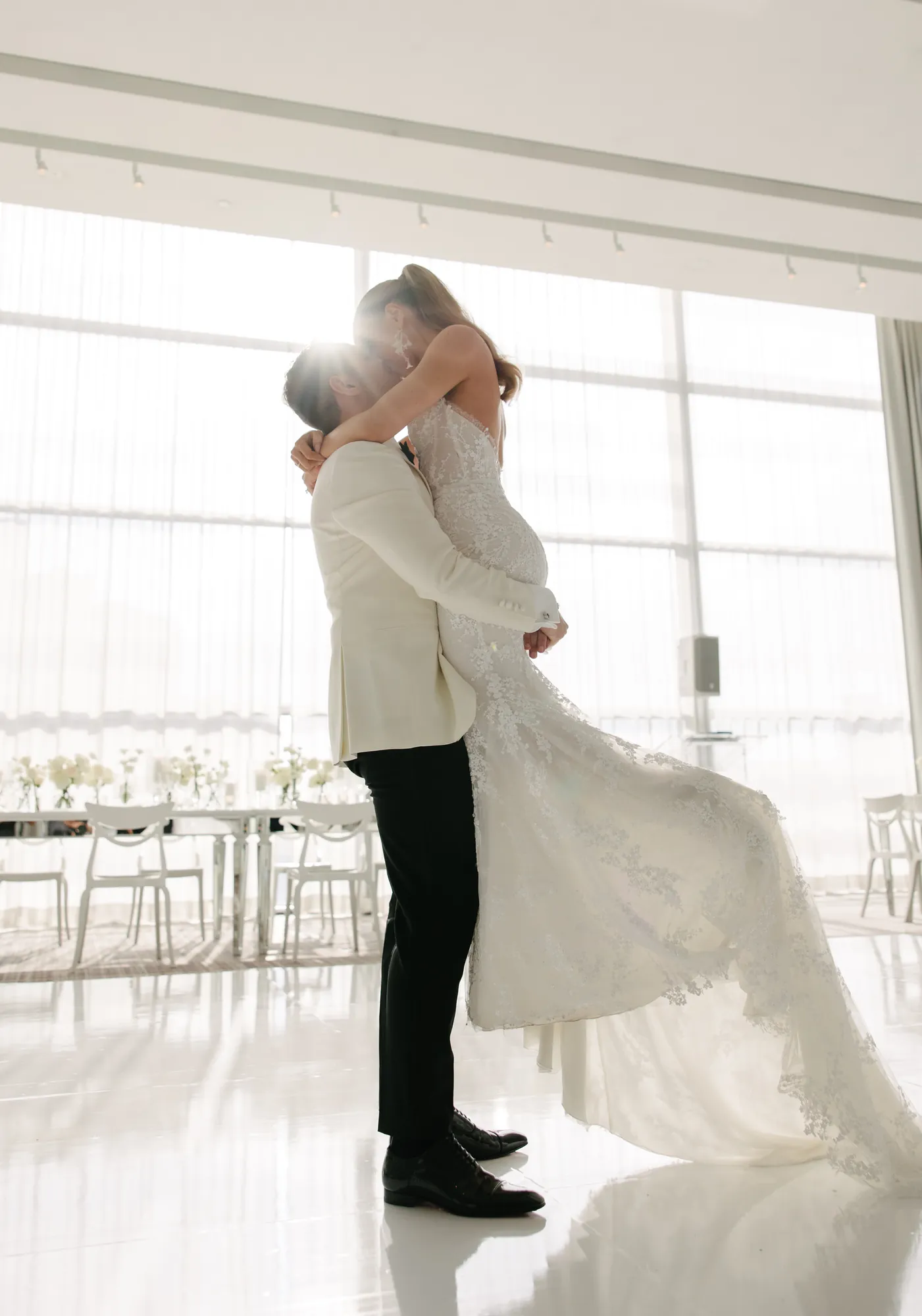
The best light of the day doesn’t wait for you. That soft, warm, glowing hour before sunset is when skin looks its best, backgrounds melt into colour, and everything feels a little cinematic. It’s also the window most likely to get lost when a timeline runs behind.
The fix is simple: build your timeline around sunset, not around dinner. Look up the exact sunset time for your date and venue, and schedule a 15–20 minute portrait window to start 30 minutes before it actually sets. That golden light disappears fast, and catching it early ensures you don’t miss the peak glow.
Treat this moment like the ceremony. Tell your planner, venue, and DJ that this window is protected. Most couples slip out between courses or right after dinner service and are back before speeches start. The party barely notices you were gone, and you walk away with the strongest, warmest images of the night.
This matters even more with fall wedding light and short winter days, when golden hour can land as early as 4:30 PM in Toronto. If you’re planning an autumn date, design the day backward from sunset first, then fill in everything else. If you haven’t booked yet, it’s also worth checking how a venue will actually photograph before you sign anything.
4. Family Photos Need a Plan (and a Wrangler)
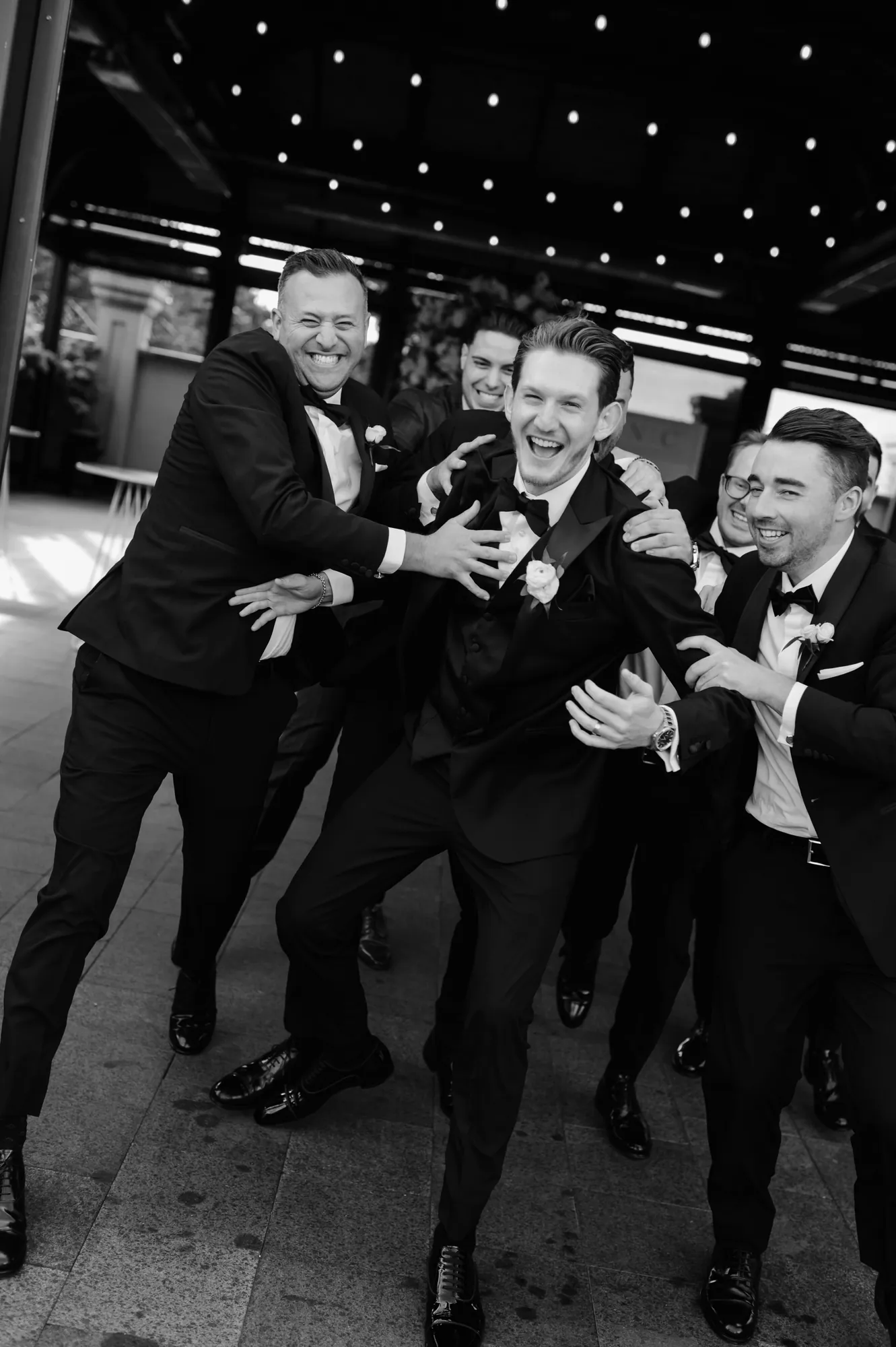
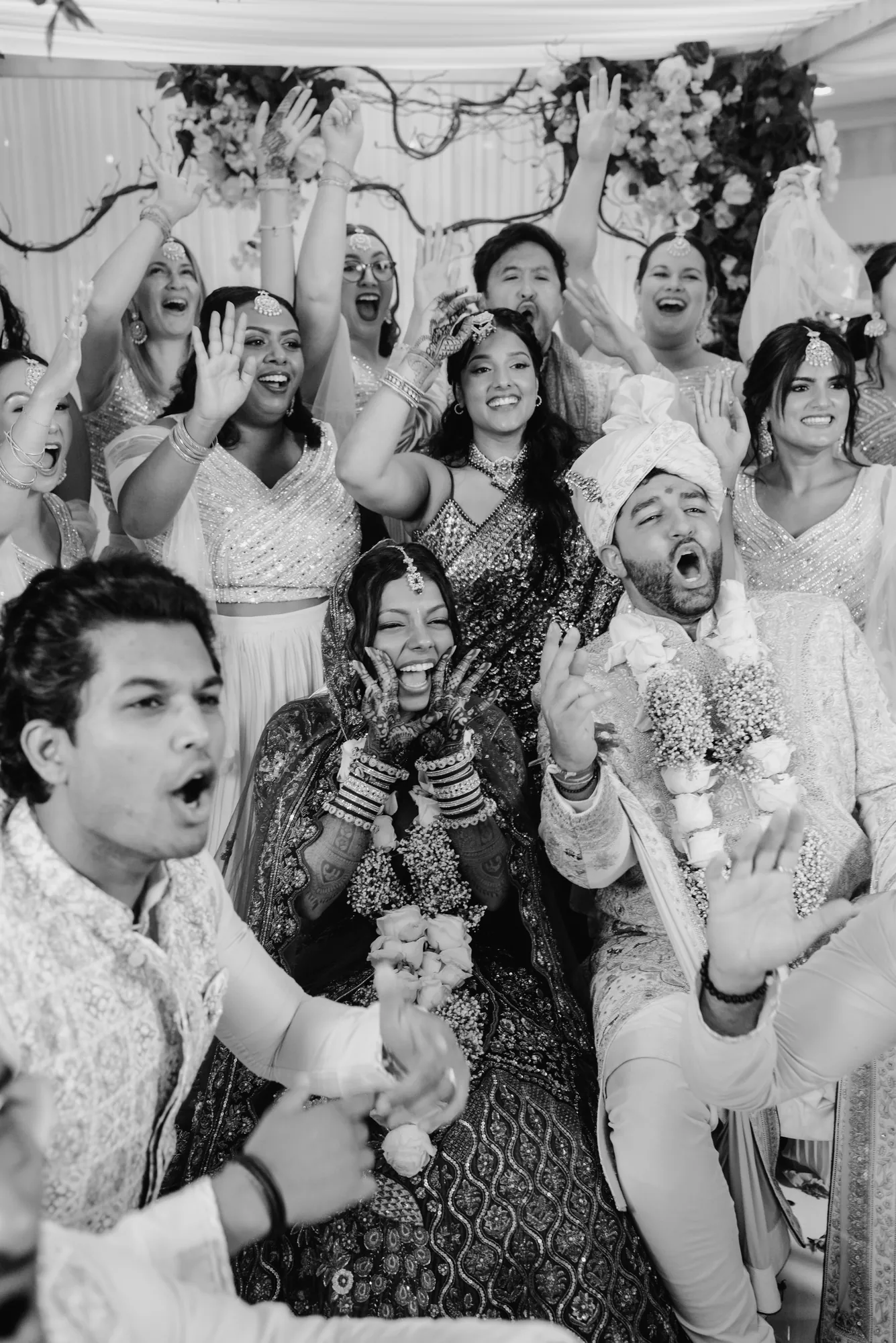
Family photos are the part of the day that most often runs long, and it’s almost never because of the photography. It’s because Uncle Tony is at the bar, a cousin wandered off to find her kids, and nobody is quite sure who’s supposed to be in the next shot.
Two things fix this almost completely. First, a short, organized shot list. Write down each grouping in order, starting with the largest groups and older relatives first so they can go enjoy cocktail hour. Keep it focused on the combinations you’ll actually print and frame. Second, choose one designated wrangler: a confident cousin, a sibling, or a friend who knows both families and isn’t afraid to call names across a room. They’ll have the next group ready before we’ve finished the current one.
With a clear list and a good wrangler, family photos can take 20 to 30 minutes instead of an hour or more. That’s time you get back for portraits, cocktails, or simply catching your breath.
5. We Highly Advise a Planner
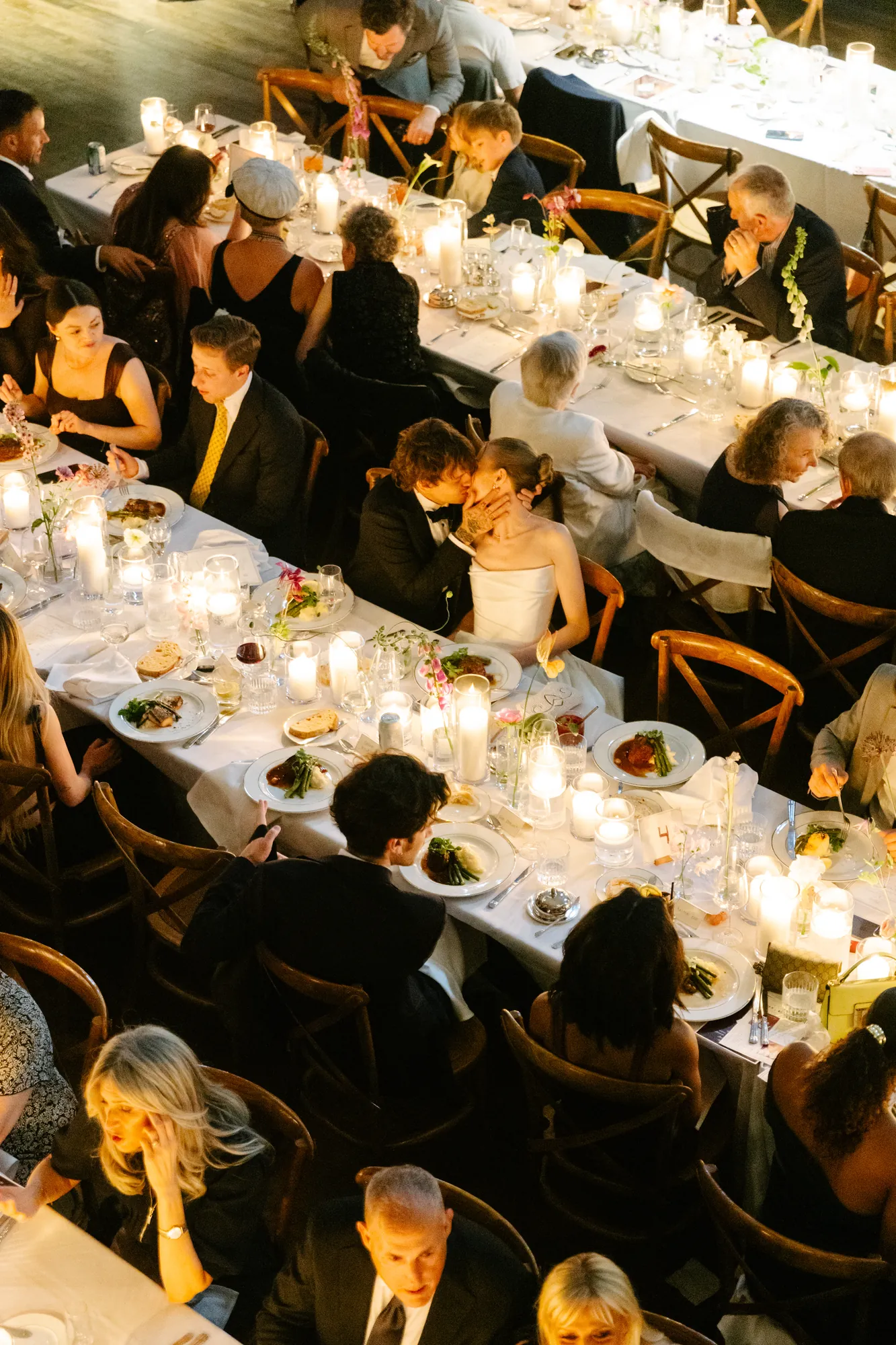
After hundreds of weddings, we’ve noticed a pattern that’s hard to ignore: the smoothest timelines almost always have a planner or day-of coordinator behind them.
A good planner does more than hold the schedule. They’re cueing the DJ, checking on vendors, solving the small problems you’ll never hear about, and gently moving people along so the day keeps its rhythm. They know when to stretch a moment and when to keep things moving. Most importantly, they free you, your parents, and your maid of honour from watching the clock, so you can stay present in the moments you’ll want to remember.
From our side of the lens, working alongside a strong planner means we can focus entirely on what we do best: watching for the real moments as they unfold, instead of tracking down the next group or wondering whether speeches are starting early. If there’s one investment that quietly improves both your day and your gallery, this is it.
Two Timelines, Two Very Different Days
To show you what all of this looks like in practice, here are two wedding days we see versions of every season: one that avoided the usual wedding timeline mistakes, and one that ran into almost all of them.
The Timeline That Worked Beautifully
A late-September wedding with a ceremony at 3:30 PM. The couple chose a first look at 1:45, which gave us 25 unhurried minutes of portraits before the wedding party joined. Every major moment had a 15-minute buffer. Family photos followed a printed list of nine groupings, and the bride’s brother ran the show with a clipboard and a loud voice. Their planner had flagged the 6:40 PM sunset months earlier, so right after the main course was served, she quietly tapped them on the shoulder. Fifteen minutes later they were back inside, glowing, just in time for speeches.
Hair ran 20 minutes late that morning. Nobody felt it. The buffer quietly absorbed it, and the gallery was full of calm, connected, unhurried moments.
The Timeline That Didn’t
Now picture a similar date with a tighter plan: no first look, no buffers, and no planner, so the maid of honour was holding the schedule while also holding the bouquet. Getting ready ran 30 minutes over, which pushed the ceremony, which pushed family photos, which had no shot list. Groupings were called out on the spot, half the relatives were already at cocktail hour, and the session stretched past an hour. By the time the couple was free for portraits, the sun had already dropped behind the trees.
They still had a beautiful wedding, and we still found real moments. But they told us later they barely remembered the afternoon, and that the only time they truly felt together was on the dance floor. The difference between these two days wasn’t budget, venue, or weather. It was the timeline.
Frequently Asked Questions
How much time should we set aside for couple portraits?
We recommend 45 to 60 minutes in total, split into short sessions: around a first look, right after the ceremony, and at golden hour. Short breaks keep you from feeling pulled away from your guests for too long.
How long do family photos take?
With a clear shot list and one designated person gathering relatives, most family photos take up to 30 minutes. Without a plan, they can easily take an hour or more.
How much buffer time should a wedding timeline have?
Plan for 10 to 15 minutes of buffer between every major moment, such as getting ready, first look, ceremony, family photos, and portraits. If everything runs on time, the extra minutes turn into relaxed, candid moments.
When should we schedule golden hour photos?
Look up the sunset time for your date and location, then schedule a 15 to 20 minute portrait window starting about 30 minutes before sunset. Many couples step out between dinner courses or right after the main course and are back before speeches.
Do we really need a wedding planner?
It’s not required, but in our experience, the smoothest wedding timelines almost always have a planner or day-of coordinator behind them. They keep the day moving so you and your family can stay present instead of watching the clock.
Build a Day That Feels Like Yours
Avoiding wedding timeline mistakes isn’t about squeezing in more. It’s about leaving room: for the quiet moment with your dad, the walk with your new spouse, the light that only lasts fifteen minutes, and the laughter that happens when nobody is in a hurry.
When we book a wedding, we help couples shape their photo timeline around exactly these moments. If you’re planning your day and want a second set of eyes on your schedule, get in touch with our team. We’d love to help you build a day that feels as good as it looks.
If You Want To Dig Deeper…
The Wedding Timeline: How to Get the Best Photos Without Missing Your Own Party
Laughter, Lights, and Newlywed Awe: The Magic of Reception Photos